Over 90% of Global Trade Now Driven by Finance — New Report Signals Growing Vulnerability for Emerging Economies
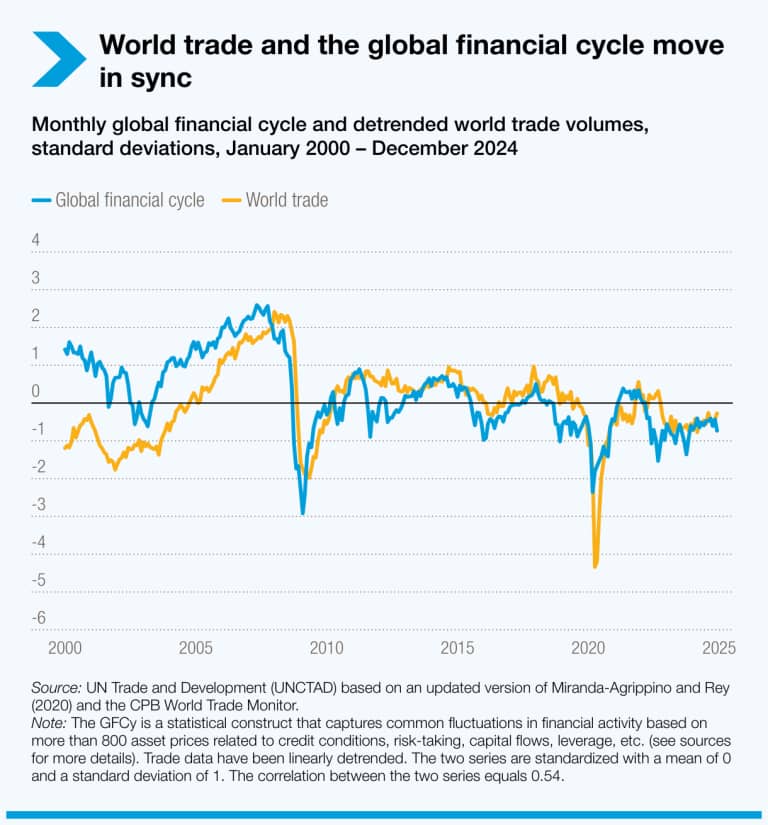
A new analysis released by the United Nations Conference on Trade and Development (UNCTAD) shows that more than 90% of global trade activity is now influenced directly by financial flows — not just goods and services — marking a structural shift with far-reaching consequences.
The report argues that financialization of trade — where capital markets, credit, and liquidity become as important as supply-chains — creates opportunities but also deepens vulnerability for countries reliant on commodity exports or imports of finished goods. For emerging economies, this means global shocks, interest-rate shifts, and capital-flow volatility can have outsized effects on trade balance and currency stability.
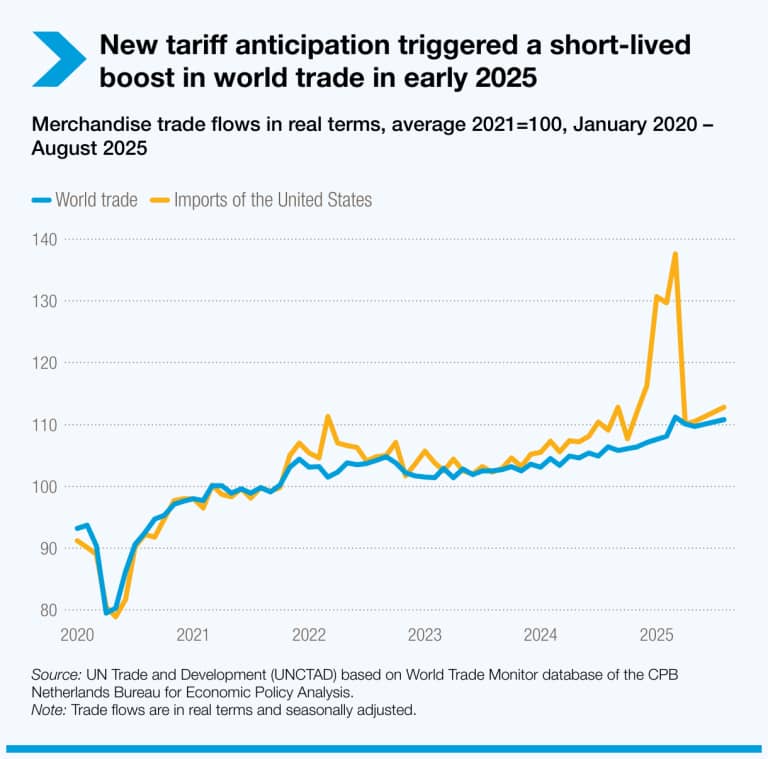
For African economies including Uganda, where export revenues, remittances, and foreign-exchange inflows interplay with trade, such volatility could disrupt planning, investment, and pricing. As trade becomes more tied to finance, countries risk being buffeted by global financial cycles rather than traditional trade cycles.
Why it matters:
This shift could reshape how developing countries engage in trade: success may depend as much on financial-sector resilience as on production capacity. For Uganda and its peers, it signals a need to strengthen financial frameworks and hedging mechanisms — or face unpredictable swings in currency, trade costs, and investment.
What to watch for:
How governments respond: through financial-sector regulation, reserves management, and currency-stabilization policies.
Impact on export sectors (commodities, agriculture) and import-dependent industries.
Fluctuations in currency value, inflation, and cost of living in economies sensitive to foreign exchange.
Potential for new multilateral or regional financial/trade agreements to buffer volatility.