Nightlife on the Rise: How “Detty December” Culture is Transforming Kampala and Beyond
Kampala, Uganda
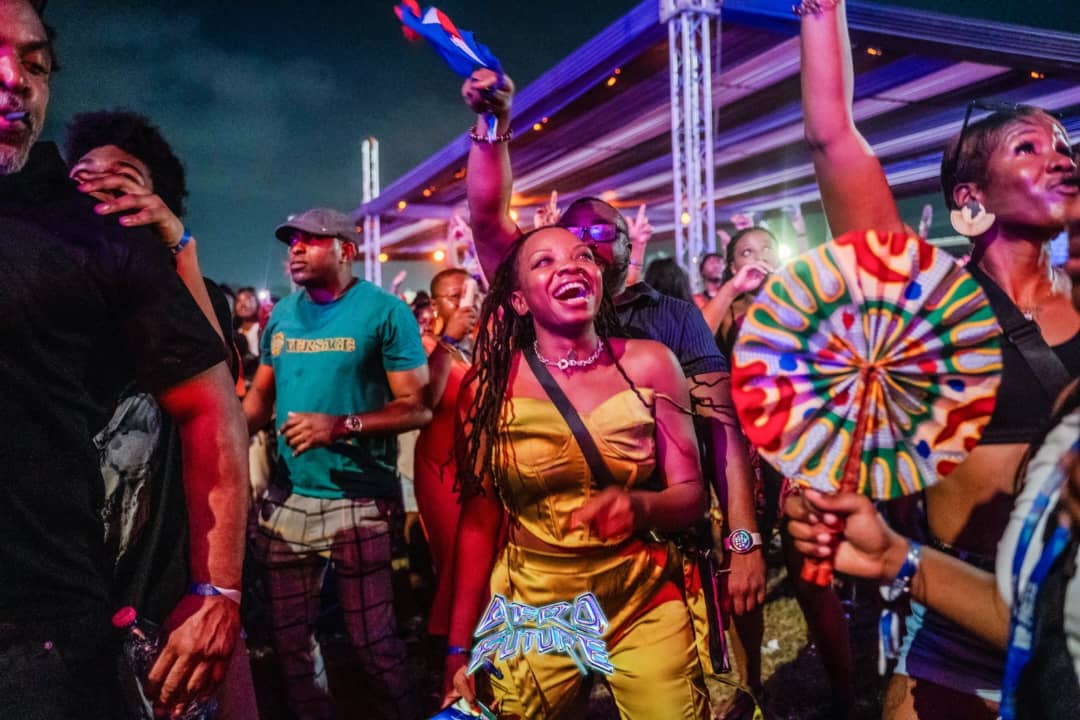
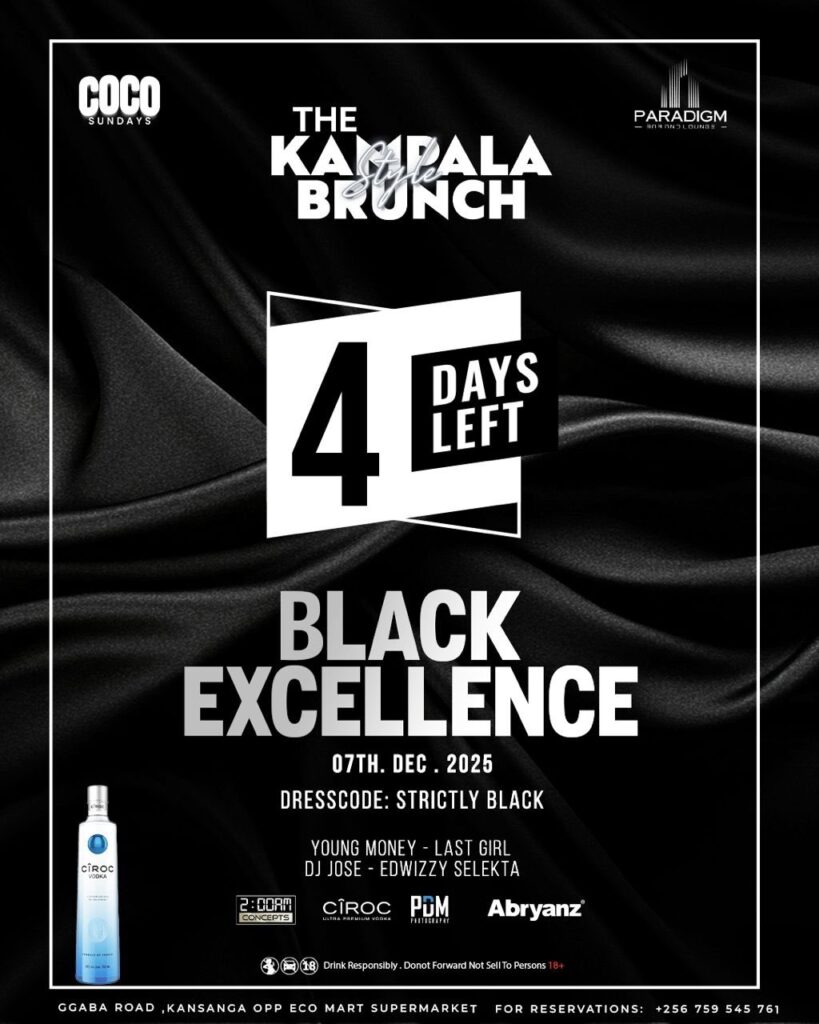
As year-end parties approach, nightlife in Kampala and across East Africa is evolving into a thriving sub-economy — one that blends dining, music, socializing and youthful expression. The so-called “Detty December” culture, once confined to informal parties, has matured. Restaurants, bars and lounges are transforming into hybrid venues: upscale dining by day, energetic nightlife after dark. This shift reflects changing tastes among youth, rising disposable income, and a demand for modern urban spaces where people can work hard, play harder.
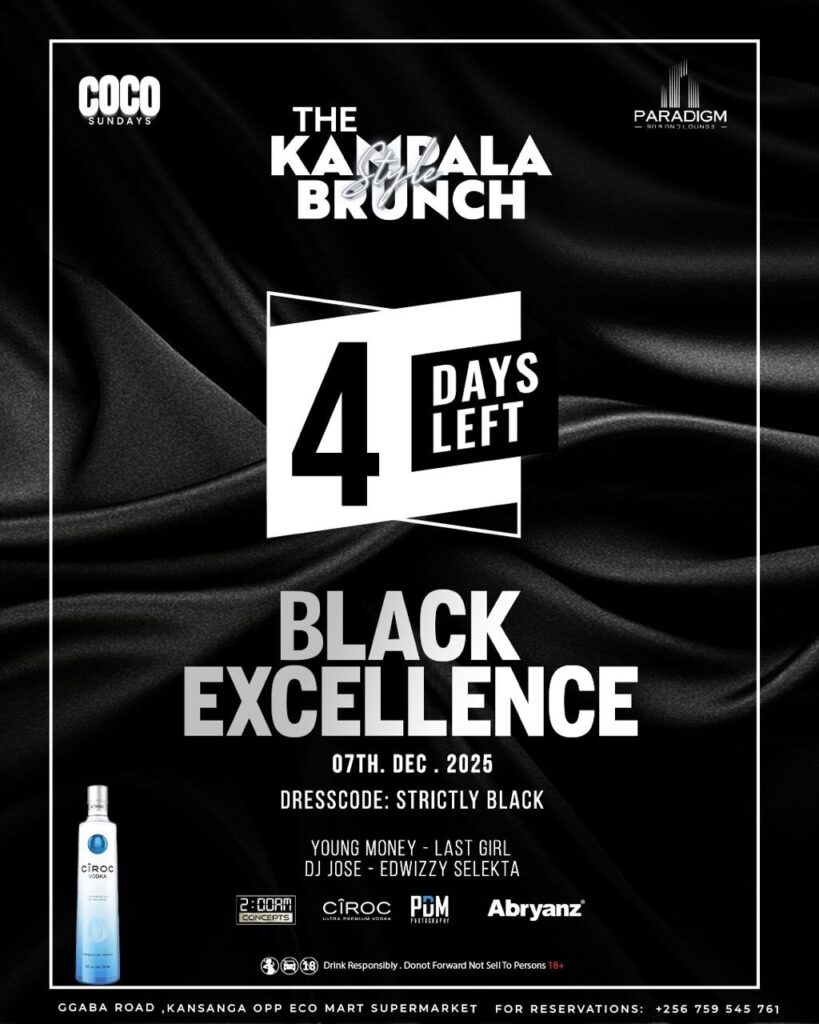
For many, these venues represent more than entertainment — they are spaces of identity, community and opportunity. DJs, artists, event planners and hospitality workers see growing demand. Young entrepreneurs are launching themed nights, creative shows, cultural pop-ups and “safe-space partying” that merges local influence with global vibes. The multiplier impact is felt: ticket sales, drink and food revenue, transport, promotions — the ripple effect supports dozens of small businesses.
Yet there are challenges. Infrastructure remains inconsistent: power outages, poor drainage, transport struggles and limited regulation create risk. For women and marginalized groups, safety, harassment and accessibility remain major concerns. Some critics argue nightlife is superficial distraction from deeper urban issues like youth unemployment and housing pressure.
Why it matters
Urban nightlife and culture — when done right — become engines of economic activity, social connection and creative expression. For Kampala and similar cities, this could ignite a cultural renaissance with real jobs and identity.
What to watch
Which venues survive beyond seasonal hype? Whether local government begins to regulate nightlife (safety, zoning, licensing), whether creatives get proper support, and how venues innovate to stay relevant post-2025.