Uganda’s First Oil Now Within Reach: Commercial Flow Expected in 2026
Kampala,Uganda
A long-awaited milestone nears realisation
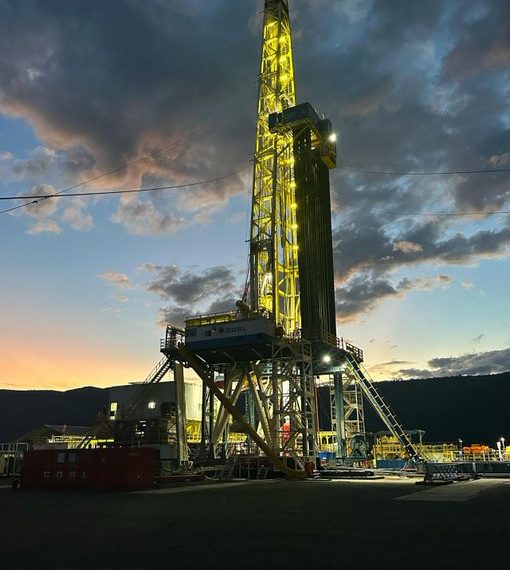
The Petroleum Authority of Uganda (PAU) has confirmed that recoverable oil reserves in the country have been upgraded from 1.4 billion to 1.65 billion barrels — a development that marks a major boost for Uganda’s nascent oil sector. The revision follows enhanced geological and technical assessments across oil fields in the Albertine Graben, and comes as flagship projects such as Tilenga and Kingfisher approach completion. With the associated export infrastructure also advancing, the government now expects Uganda to begin commercial crude production by mid-2026.
What this could mean for the country
This increase in proven recoverable reserves strengthens Uganda’s standing among Africa’s emerging oil producers. With over a billion barrels deemed extractable under current economic and technical conditions, the prospect of a steady revenue stream becomes more concrete — offering potential to support national infrastructure, development projects, and economic diversification. The advanced status of both upstream production and related infrastructure suggests the first barrels might finally flow next year, after decades of anticipation.
But this is not just about oil. The gains could ripple out beyond the energy sector, creating jobs, stimulating local businesses — particularly those contracted for oil-sector services — and potentially laying groundwork for refining and petrochemical industries that add value rather than exporting raw crude.
Why it matters
For ordinary Ugandans, the long promise of “first oil” has often felt distant — delayed by financing, infrastructure, environmental concerns and legal hurdles. This new reserve estimate and clear timeline bring that promise closer to reality. If managed transparently, oil revenues could help transform public services, fund infrastructure, and spur broader economic growth.
On the international stage, a stable and growing oil supply from Uganda could draw further investment, cement regional energy links, and reshape East Africa’s energy map. It also places pressure on local authorities to ensure environmental safeguards and fair benefit distribution for communities near extraction sites.
What to watch
The coming months will be crucial: attention will focus on progress with the associated export infrastructure, especially the East African Crude Oil Pipeline (EACOP), as well as final investment decisions needed to support refining capacity. Whether the refinery planned for Hoima (or nearby) moves forward promptly will be a key determinant of how much value Uganda retains internally — and how much crude is exported as raw oil. Equally important will be the government’s transparency, environmental safeguards, and mechanisms to guarantee that oil wealth benefits ordinary citizens rather than just a few stakeholders.