Uganda Bans Diesel Bus Imports to Boost Local Vehicle Manufacturing
Driving Local Industry
Kampala, Uganda
Uganda has announced a ban on diesel bus imports as part of a broader effort to promote domestic vehicle manufacturing and support the growth of the local automotive industry. The move prioritises locally produced buses, particularly electric and hybrid models, aiming to reduce dependence on foreign imports, create jobs, and strengthen the country’s industrial base.
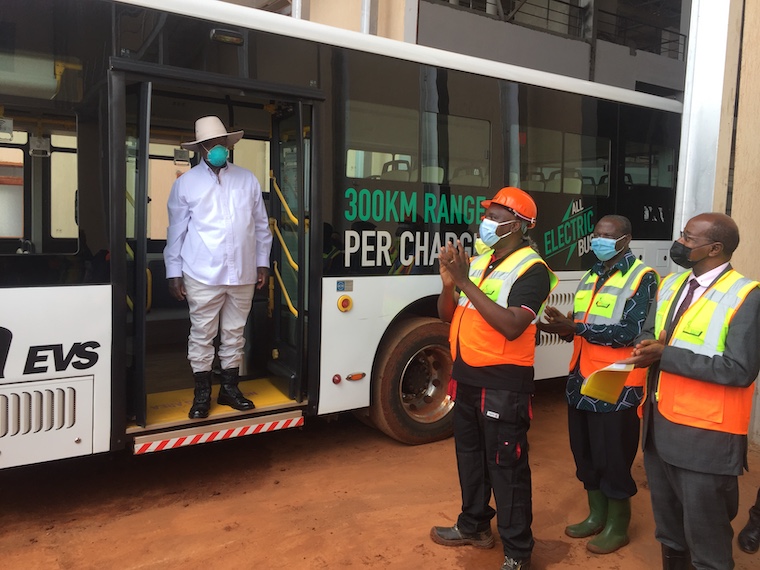
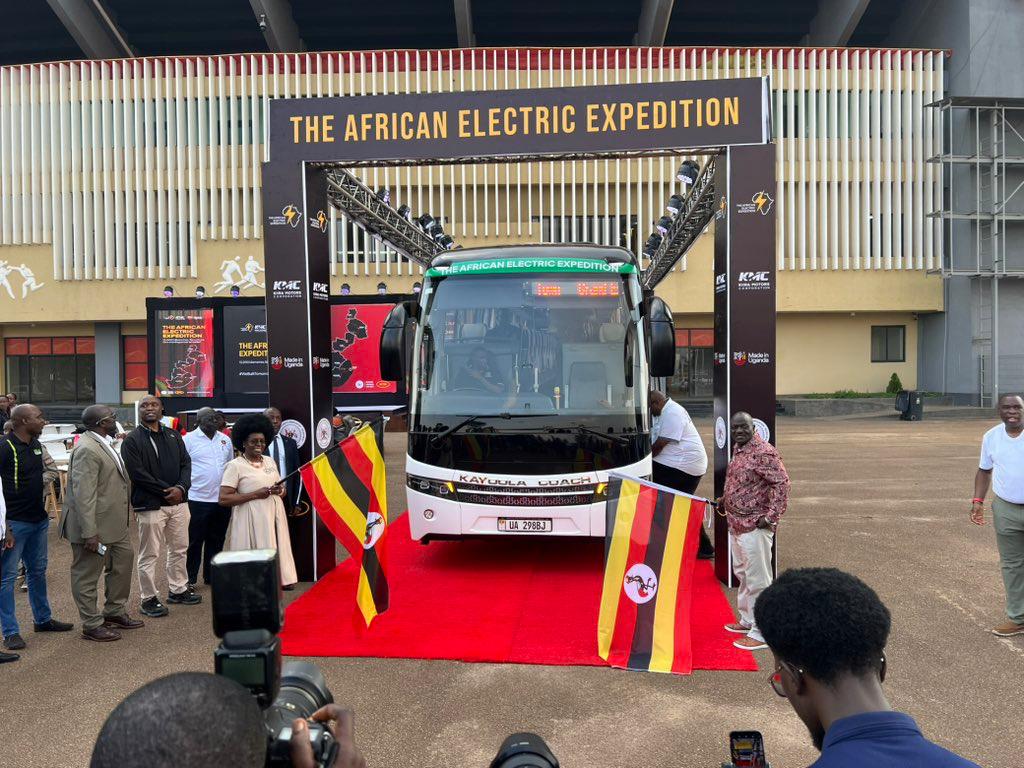
The ban also coincides with Uganda’s e-mobility policy, which encourages the adoption of cleaner vehicles to cut emissions, improve air quality, and modernise public transport. Companies like Kiira Motors Corporation are at the forefront, producing electric buses that will gradually replace imported diesel units. For commuters, this could mean riding in locally-built, cleaner, and more efficient buses within the next few years.
Why It Matters
This policy is significant for several reasons. Economically, it encourages local manufacturing, creates employment, and keeps capital within the country. Environmentally, it supports Uganda’s commitment to sustainable transport by promoting electric and low-emission vehicles. Socially, it can improve commuter experiences by offering modern, reliable buses while stimulating skills development in engineering, maintenance, and logistics. On a regional scale, Uganda’s approach could inspire other East African nations to invest in local vehicle production.
What to Watch
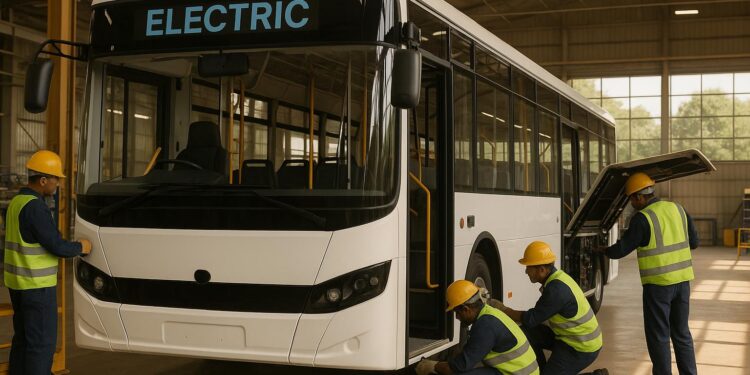
The key to success will be scaling up local production to meet demand. Quality standards, reliability, and affordability of locally manufactured buses will determine commuter acceptance. Monitoring the impact on public transport availability and fares will also be important, as will tracking the growth of the automotive sector and job creation. International partnerships and technology transfers could accelerate production and enhance competitiveness.