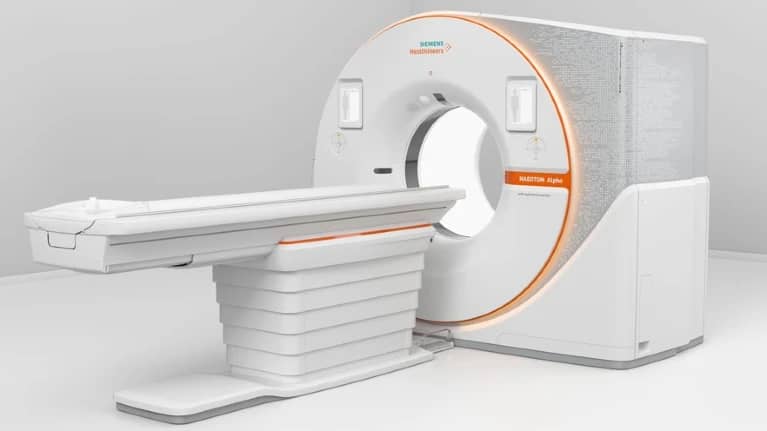
Global Tech Watch: Next-Gen CT Scanner Could Revolutionise Medical Imaging
Kampala,Uganda
A leap forward in diagnostic technology
The medical-technology firm Neusoft Medical Systems has just unveiled what it claims is the world’s first 8-cm wide-coverage photon-counting CT scanner, introducing a new standard in diagnostic imaging. This advanced scanner uses semiconductor detectors to convert X-ray photons directly into digital signals — delivering sharper images, finer tissue detail, and significantly lower radiation exposure compared with traditional CT machines. The technology promises to improve clarity in diagnosing complex conditions like cancer, cardiovascular disease and neurological disorders.
Hospitals and clinics adopting this technology may gain better diagnostic accuracy, quicker scan results, and safer imaging procedures for patients. For medical professionals, it’s a chance to leverage clearer results and reduce misdiagnoses or the need for repeat scans. Over time, this innovation could reshape diagnostic standards globally — with ripple effects in treatment planning, patient outcomes, and healthcare costs.
Why it matters
In many parts of the world — especially in lower- and middle-income countries — diagnostic delays, limited imaging clarity, or high radiation doses have long been major barriers to effective healthcare. A widely adopted photon-counting CT scanner could bridge part of that gap, offering access to high-quality diagnostics without the risks of older technology. For patients, it could mean earlier detection, better monitoring, and improved treatment options.
Moreover, as this technology spreads, it could push global health systems to upgrade imaging infrastructure — a positive step toward more equitable healthcare standards worldwide.
What to watch
Will hospitals and health systems — particularly in developing countries — invest in this new scanner? What will the costs look like, and how accessible will it be to patients? Watch for early clinical studies and published results as hospitals begin real-world use. The impact on patient outcomes, diagnostic accuracy and treatment quality will be key measures of whether the technology delivers on its promise.