World Food Programme Launches Long-Term Strategy for Food Security and Refugees in Uganda
Kampala, Uganda
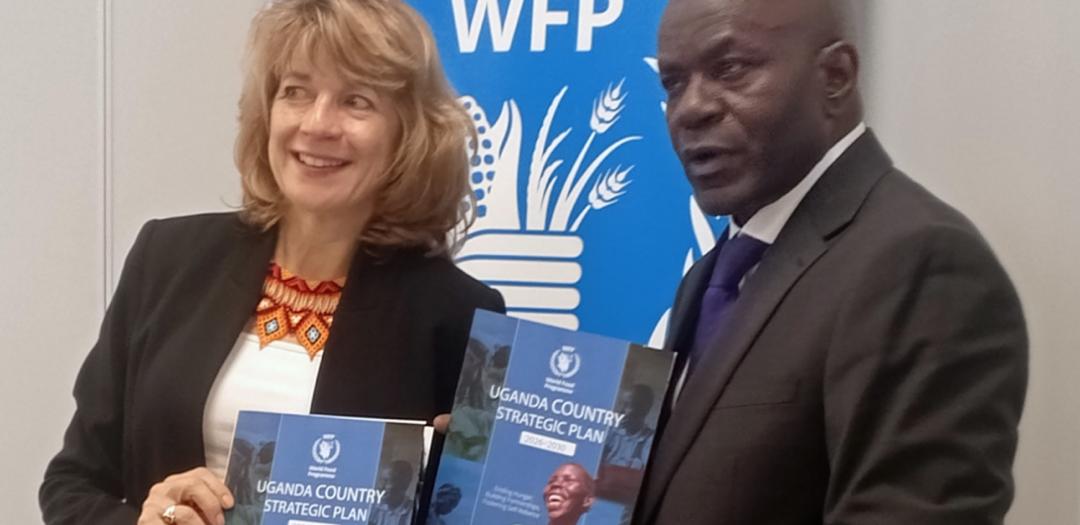
The WFP this week rolled out a new strategy in Uganda aimed at shifting from emergency food aid toward building resilient local food systems that benefit both refugees and vulnerable Ugandan communities. The strategy emphasises empowering communities to become self-reliant — through supporting agriculture, strengthening supply chains, promoting value-addition, and encouraging sustainable livelihoods.
Under the plan, the WFP and partners will support refugee-hosting districts with programmes targeting food production, access to markets, capacity-building, nutrition support, and integration of refugees into local economies. Meanwhile, the strategy includes measures to bolster food security for vulnerable Ugandan households — especially those repeatedly affected by drought, climate stress, displacement, or poverty.
Why it matters
For a country like Uganda — which hosts one of the largest refugee populations in Africa — linking refugee resilience with long-term food-system development has dual importance. It reduces reliance on donor-driven emergency aid, fosters inclusion, supports both refugee and host communities, and builds sustainable agricultural and economic systems.
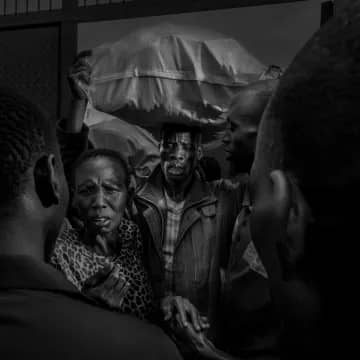
In the face of climate change, economic uncertainties and growing population pressure, a shift toward local food-system resilience could improve food security, reduce vulnerability, and strengthen social cohesion. It presents a potential model for sustainable humanitarian development: where aid supports development rather than dependency.
What to watch
Whether the WFP strategy gets adequate funding and political support to move from planning into full implementation. How local governments and communities respond — willingness to adopt new agricultural methods, integration of refugees into markets, support for value-addition and supply-chain improvements. Whether food security improves measurably over the next 12–24 months in targeted areas — especially among refugees, displaced households, and vulnerable rural families. And how climate change adaptation, livelihood diversification and resilience-building are woven into the strategy — to protect against future shocks.