Uganda Unveils New PFM Reforms Strategy (2025–2030) to Boost Transparency, Efficiency, and Public Service Delivery
Strategy launched as part of long-term development vision; REAP to coordinate reforms across government.
Kampala, Uganda.
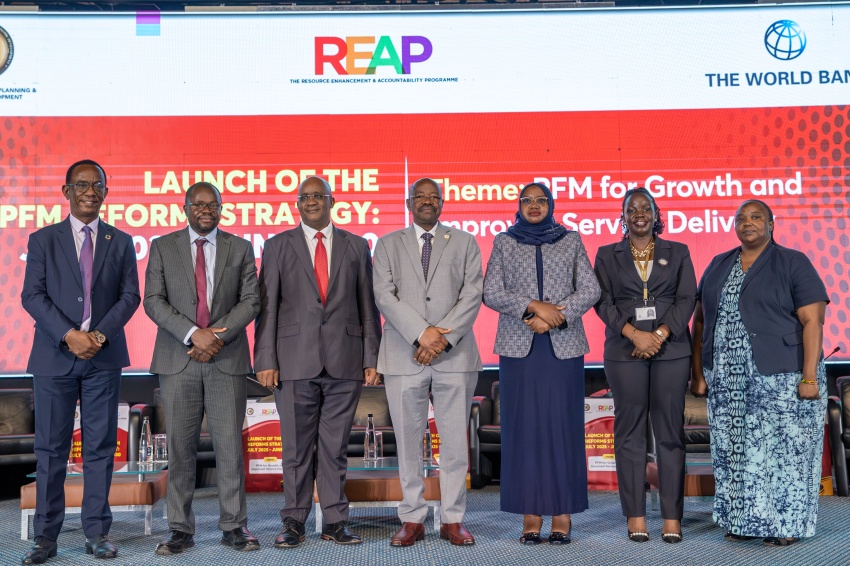
The Ministry of Finance, Planning & Economic Development has officially launched a Public Financial Management (PFM) Reforms Strategy (2025–2030) to enhance transparency, resource mobilization, and service delivery.
State Minister for Planning, Amos Lugoloobi, who represented Prime Minister Robinah Nabbanja during the launch, emphasized that the reforms are critical for Uganda’s industrialization and equitable growth.
Key pillars of the strategy include:
- Strengthening resource mobilization via robust tax policy and improved administration.
- Enhancing expenditure control and accountability, especially at the local government level.
- Promoting digital innovation in financial management: integrating systems like IFMS (Integrated Financial Management System) and e-procurement for better oversight.
- Improving budget execution to ensure funds translate into real service delivery outcomes.
- Building institutional capacity across government for better financial governance.
The government has also set up the Resource Enhancement & Accountability Programme (REAP), a joint effort between government, development partners, and civil society. Its mandate includes tracking and guiding implementation of the PFM reforms, especially at sub-national levels.

Why It Matters:
Strengthening public finance systems can reduce waste, corruption, and misuse of resources.
Improved financial accountability may lead to better funding for health, education, and infrastructure.
Digital reforms and capacity-building could help Uganda better handle increased development financing.
What to Watch For:
How quickly REAP’s technical working groups deliver on reform priorities.
Measurable improvements in budget transparency, especially at local government level.
Implementation of digital systems (IFMS, e‑procurement) and their impact.
Civil society and development partner engagement in monitoring.