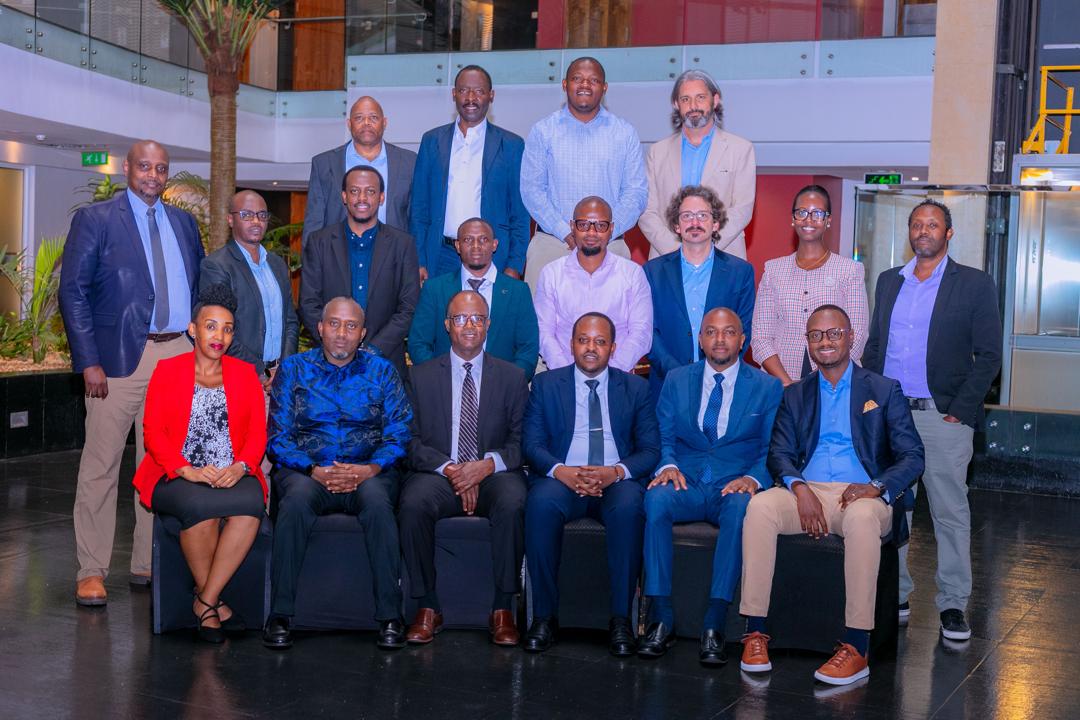
Rwanda and Tanzania Building Instant Payment Systems: A Game-Changer for East Africa
Kigali, Dar-Salaam
Rwanda and Tanzania are leading the charge in East Africa’s digital financial revolution by launching state-of-the-art instant payment systems. These innovations are poised to enhance economic integration, improve financial inclusion, and create new opportunities for businesses and individuals across the region. With seamless cross-border payments and faster, cheaper financial transactions, the two countries aim to build a more interconnected and resilient economy in East Africa.
The Rise of Instant Payment Systems in Rwanda and Tanzania
Both countries are making substantial investments in digital infrastructure to streamline financial transactions, reduce costs, and empower businesses. Their new instant payment systems will allow for real-time transfers, enhancing the speed and efficiency of money movement across borders.
Rwanda’s Digital Payment Push: Building for the Future
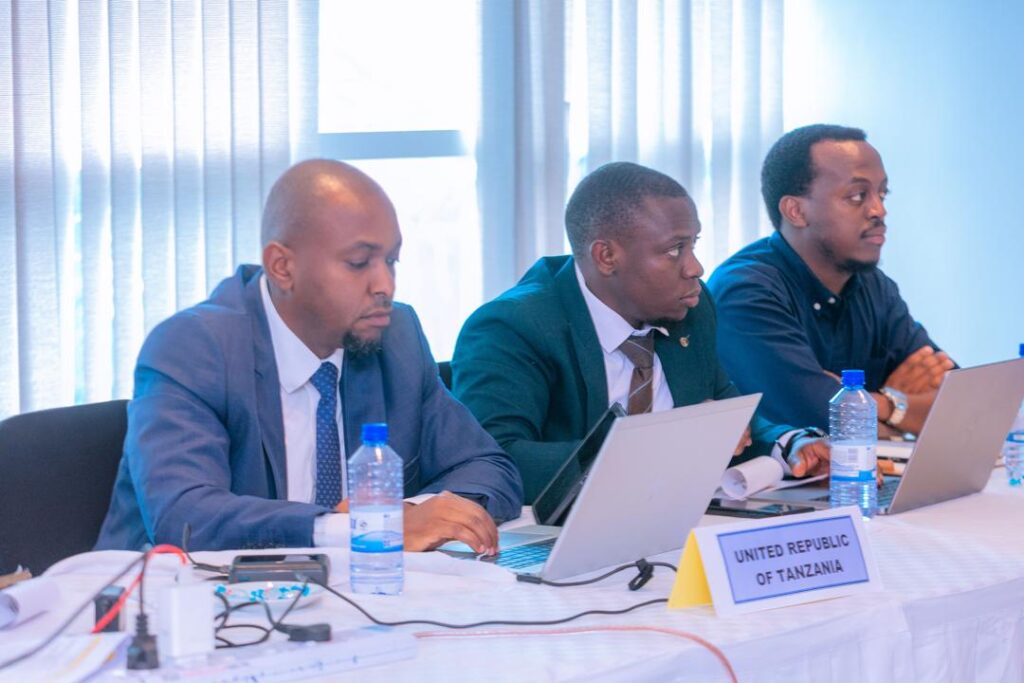
Rwanda is already known for its innovative approach to technology, and the country is now setting the stage for a new wave of financial digitalization. The Central Bank of Rwanda (BNR) is leading the charge with a national instant payment system designed to facilitate fast and secure transactions.
“Through this system, we aim to improve access to financial services for all Rwandans, including those in rural areas,” said John Rwangombwa, Governor of the National Bank of Rwanda.
This initiative aims to integrate mobile money platforms and bank accounts, making it easier for businesses and individuals to transfer money across platforms, without incurring high transaction fees or delays. The system will help unlock the potential of the informal economy and provide rural populations with greater access to financial services.
Tanzania’s Push for Interoperable Payment Systems
Tanzania is also making strides in transforming its financial landscape. The Tanzanian government is collaborating with mobile operators and banks to create an instant payment system that offers interoperability between different platforms—whether mobile money or traditional bank accounts.
“We are focusing on bringing the digital financial ecosystem together so that all Tanzanians, from the business community to individuals, can benefit from instant, low-cost, and secure transactions,” said Florens Luoga, Governor of the Bank of Tanzania.
This initiative aims to cater to both urban and rural users, ensuring that no one is left behind. It is expected to significantly reduce the time and costs associated with sending money, thus boosting local businesses and improving financial accessibility for millions of Tanzanians.
Why It Matters
- Boosting Regional Trade and Economic Integration
The initiatives in Rwanda and Tanzania come at a time when East African countries are increasingly focused on strengthening economic ties within the region. By creating interoperable payment systems that can be used across borders, both nations are facilitating smoother transactions for businesses engaged in intra-regional trade.
Currently, one of the major hurdles to regional trade is the high cost and delays associated with cross-border payments. Rwanda and Tanzania’s instant payment systems aim to eliminate these barriers, enabling businesses to complete transactions in real-time. The ripple effect will increase the flow of goods and services between the two countries and other East African Community (EAC) members.
- Financial Inclusion for the Underserved
In many parts of East Africa, particularly in rural and underserved communities, access to traditional banking services is limited. Mobile money has made significant strides in providing access to basic financial services, but the new instant payment systems take this one step further by making money transfers instantaneous and more affordable.
This is particularly important for small and medium-sized enterprises (SMEs) that often struggle with cash flow due to delayed payments. Instant payment systems will allow SMEs in Rwanda and Tanzania to receive payments and make transactions much faster, helping them grow and stay competitive.
- Leveraging Mobile Money and Fintech for Digital Transformation
The success of these payment systems hinges on mobile money providers and fintech companies, which play a pivotal role in ensuring the systems’ accessibility. With a large number of people in East Africa relying on mobile phones for financial transactions, the integration of mobile platforms is essential for reaching a wider audience.
Both countries have worked closely with telecom companies and fintech innovators to ensure that users can access these services regardless of their location or internet connectivity. This also means that mobile money services will continue to grow, providing even more people with the ability to send and receive money quickly, securely, and affordably.
What to Watch
- Expansion of Interoperability Across the Region
While Rwanda and Tanzania have taken major steps towards digital payment integration, the true potential of these systems lies in their ability to connect with neighboring countries. The interoperability between different mobile platforms and financial systems could serve as a model for other East African nations looking to modernize their own payment infrastructures.
Expect to see ongoing efforts by regional bodies like the East African Community (EAC) to facilitate the expansion of these digital payment systems. There may be developments where these systems become interconnected across the broader EAC region, making cross-border payments smoother for businesses and individuals alike.
- Regulatory and Security Challenges
As with any digital system, ensuring the security of transactions and protecting users from fraud will be critical. Both Rwanda and Tanzania will need to invest in robust cybersecurity measures and develop strong regulatory frameworks to safeguard users’ data and ensure that the systems are resilient to attacks.
How these countries handle privacy concerns, fraud prevention, and transaction security will be crucial in determining the long-term success of their instant payment systems.
- Impact on the Informal Economy and SMEs
Given the large informal economy in East Africa, the instant payment systems could have a transformative effect on SMEs. Watch for new business models emerging as entrepreneurs begin to leverage these faster payment channels to expand their reach and offer new products or services. This could lead to an increase in formalization, helping businesses access better financing options and grow their operations.
Rwanda and Tanzania’s push to implement instant payment systems represents a major milestone in East Africa’s digital transformation. These efforts are set to drive regional economic integration, boost trade, and improve financial inclusion across the region. As these countries continue to roll out their systems and tackle the associated challenges, they will likely set the stage for broader digital payment adoption across Africa.
With increasing focus on fintech and mobile money, the future of cross-border transactions in East Africa looks promising. Rwanda and Tanzania’s pioneering efforts will likely inspire other nations across the continent to follow suit, creating a more connected and inclusive digital economy.