Kampala & Uganda Presidential Campaign Updates
As the campaign trail heats up, Kampala becomes both a stage and battleground, with postponed rallies, regional pushbacks, and bold promises.
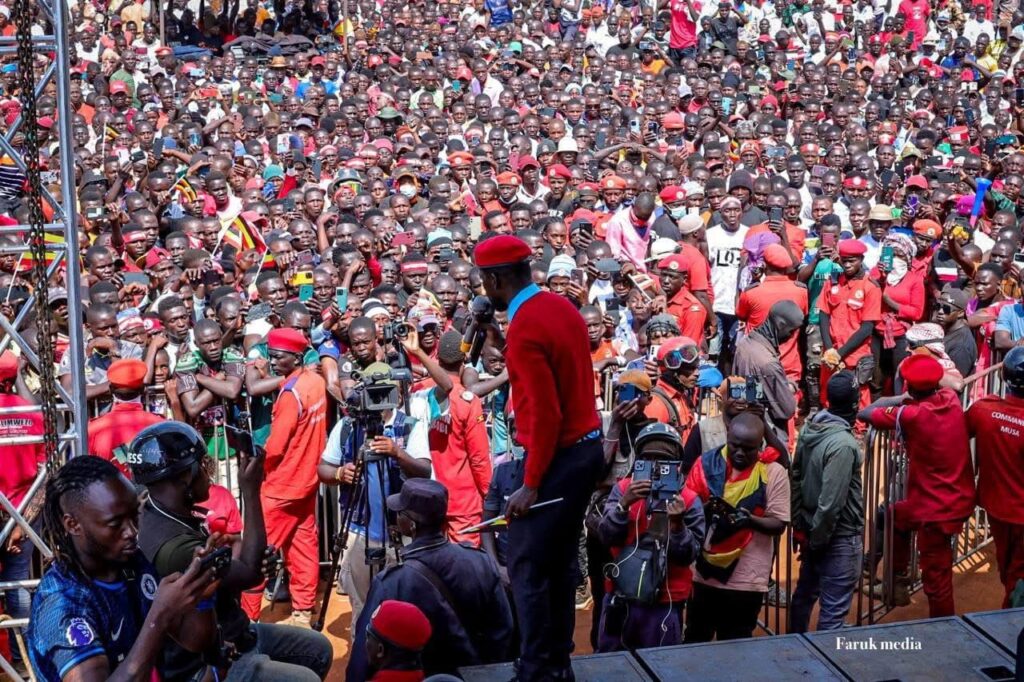
Campaign season is in full swing for Uganda’s 2026 presidential race. In Kampala, the capital, events have been dramatic: from abducted activists to delayed NRM rallies and high-energy speeches. As the contest intensifies, the city offers a window into the risks, promises, and pressures of one of Uganda’s most consequential elections yet.
Recent Developments in Kampala / Central Region
Abductions of Activists:
Two Kenyan activists, Bob Njagi and Nicholas Oyoo, who had traveled to Uganda to support Bobi Wine’s campaign, were picked up by armed operatives in Kampala and remain missing. The incident has generated widespread shock and intensified fears of cross-border political repression.
Campaign Schedule Released:
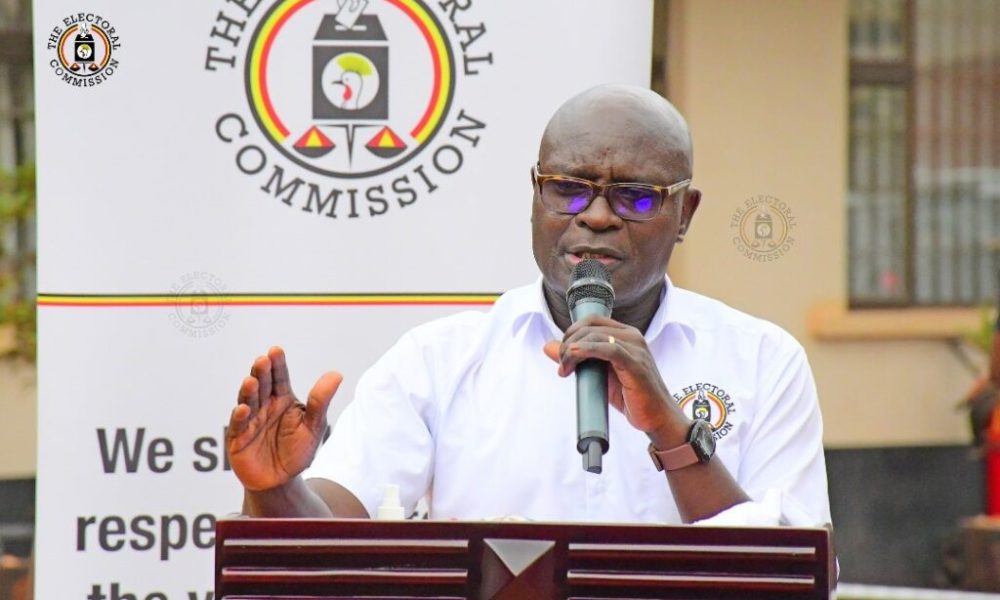
Uganda’s Electoral Commission released the official presidential campaign schedule on September 29, 2025. Kampala features among early rally stops, alongside Munyonzo, Mityana, Jinja, Buikwe, Kawempe.
Postponed Rallies in Northern Region:
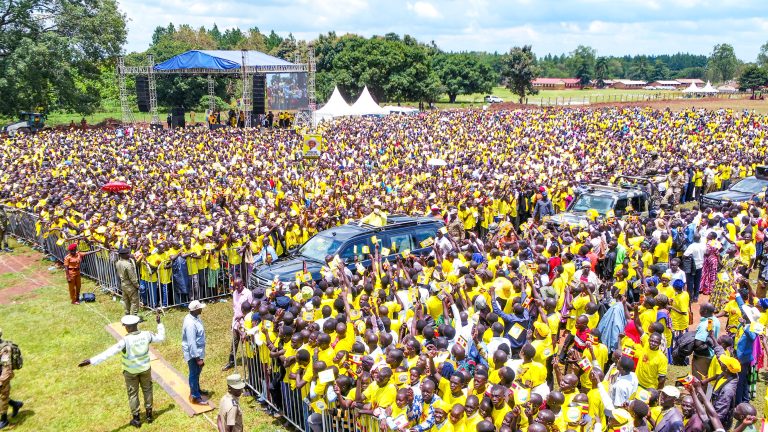
NRM (Museveni) had planned major rallies in Kole, Lira, and Lira City on October 6 but postponed them due to claimed “state duties.” While not in Kampala directly, the delay feeds narratives of shifting strategy and political signals across regions.
Rally in Otuke & Promises of Oil-Backed Development:
President Museveni held rallies in Otuke and Alebtong, pledging “oil-backed transformation” in infrastructure, energy, and urban development if re-elected. These speeches often resonate back in Kampala, as urban voters weigh national projects against local needs.
Political Stakes in Kampala
Kampala is more than a stop on the route—it’s a symbolic and strategic base. Winning the capital can shift perceptions of momentum, urban support, and elite consensus.
The city houses politically active youth, civil society, media presence, and contesting voices. How security, freedoms, and campaign fairness play out in Kampala will echo nationwide.
The abductions raise questions: who can campaign safely? Do cross-border rights and solidarity networks matter when activism becomes transnational?
Risks, Tensions & Watchpoints
Civil liberties in focus: will rallies be peaceful, or will protests be cracked down?
Media coverage: who gets attention, whose voices are amplified or silenced?
Voter sentiment: how do Kampala residents perceive national promises (oil, infrastructure) against day-to-day issues (water, roads, employment)?
Reaction to abductions: will public backlash or international pressure force clarity, investigations, or shifts in tactic?
Kampala’s streets and squares are where Uganda’s political future is being contested—not just with speeches, but with human rights, civic courage, and urban voices. As the presidential campaigns unfold, Kampala may become a barometer: how free will campaigning be, whose voices will matter, and whether the capital’s pulse aligns with the broader country’s direction.