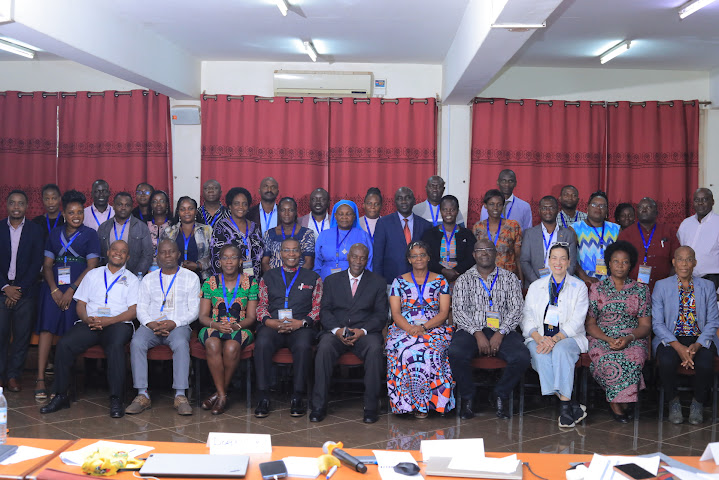
Kampala’s Own Voices Take Centre Stage at UG Design Summit 2025: Local Experts Say “Enough With Imported Models”
Kampala, Uganda — The Uganda Design Summit 2025 at Kyambogo University reaffirmed last night (October 7) that innovation rooted in local context must drive Uganda’s design, health, climate, and policy solutions. As part of the summit’s Design Fireplace (Ekyoto) session, home-grown academics, doctors, public health workers, and artists united in rejecting “one-size-fits-all” global models that do not fit Uganda’s realities.
During the evening debate under the summit theme “Glocal Design: Tailoring Global Innovations to Local Contexts”, several Ugandan practitioners emphasized the urgency of designs that honor local materials, languages, customs, and environmental conditions.
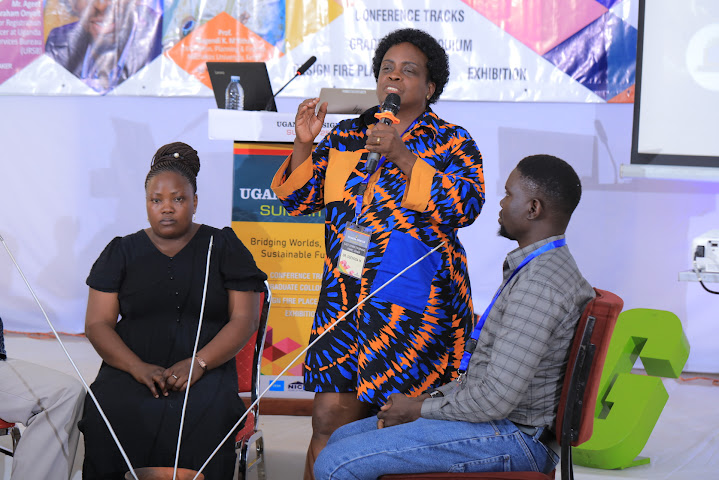
Key Local Voices & Claims
Prof. Mugendi M’rithaa, (Machakos University, visiting), called upon Ugandan designers and planners to “look inwards before importing outwards,” advocating that local knowledge systems, vernacular architectures, and indigenous practices be central in design education and practice.
Dr. Catherine Wandera, an academic in community health, spoke of the problems faced by patients in informal settlements who cannot access health services not because of lack of clinics, but because of poor road access, lack of signage, and lack of culturally responsive health communication.
Mr. Ageet Abraham Onyait, from a local design studio, stressed that local innovators often have to adapt global technology under resource constraints (power, internet, cost), calling for more locally relevant innovation funding, incubators, and mentorship.
Local Impacts & Outcomes
At the close of the fireplace session:
Local universities committed to instituting field-based modules: students in design, architecture, public health will spend more time working in informal settlements, rural areas, or underserved urban fringes to understand lived experiences.
A coalition of Kampala community organizations and local government representatives agreed to pilot wayfinding and signage projects in peri-urban neighbourhoods, co-designed with residents, to improve access to clinics and public services.
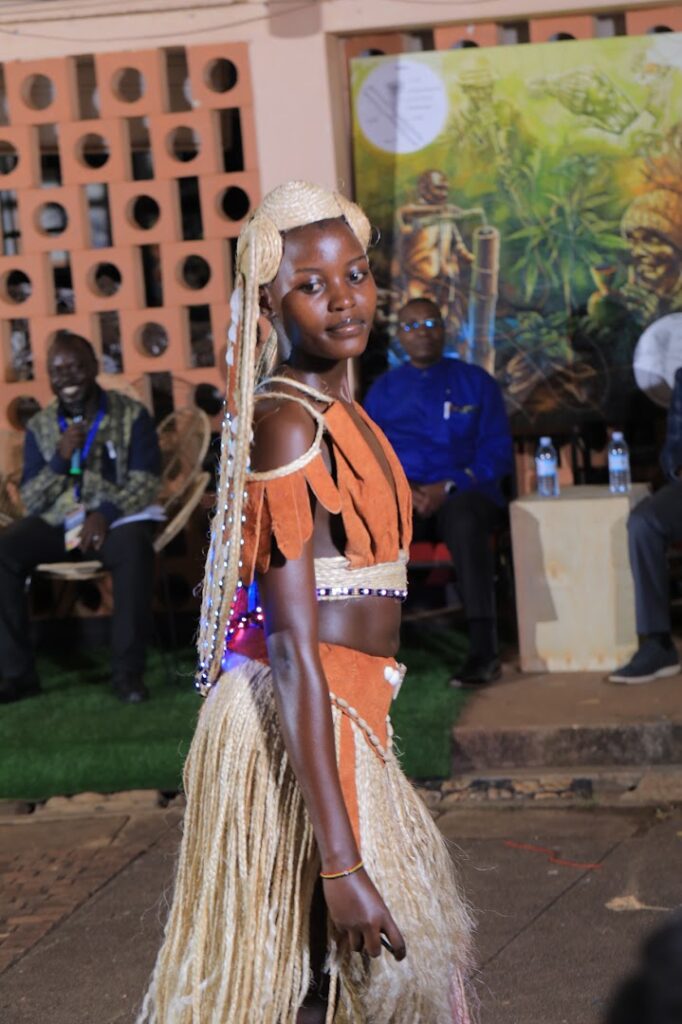
Summit organizers pledged to engage more local cultural practitioners (artists, craft makers, elders) in future summits, fashion shows, and exhibitions, not just as showcase items but as partners in design research and creation.
Why It Matters
Uganda faces a rapidly urbanizing population, environmental shocks—especially flooding and heatwaves in Kampala—and health system gaps that are not always addressed by imported models. Local experts at the Summit stressed that design that is not anchored in local realities risks being inefficient, unsustainable, or even harmful.
The UG Design Summit continues through October 8. The momentum observed last night is expected to shape how design research, education, and policy evolve in Uganda in the near future.