Balancing Innovation and Regulation: NCC 2025 Calls for Clear Rules in Uganda’s Digital Future
Kampala Uganda
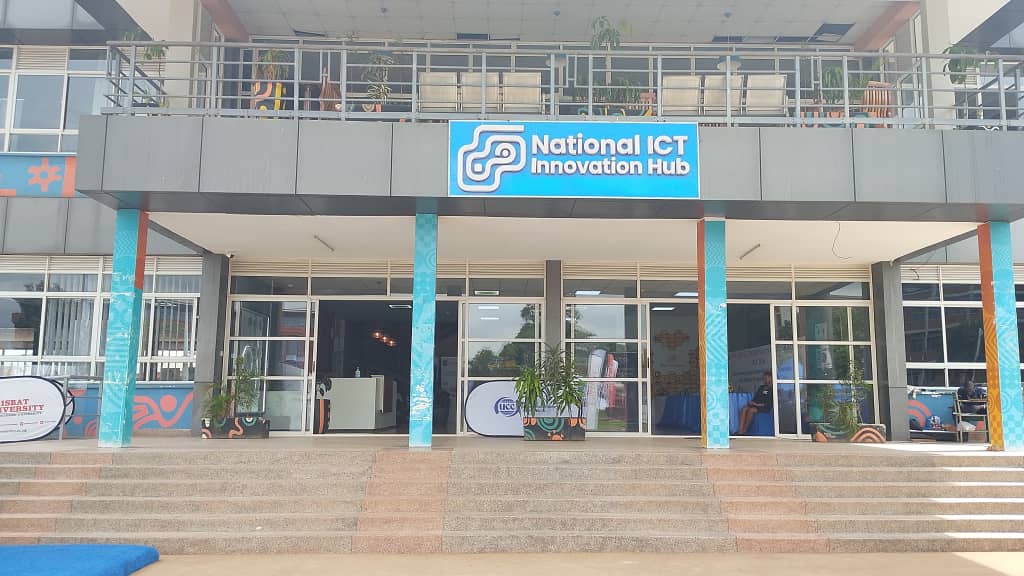
At the 9th National Conference on Communications (NCC 2025), which concludes today at the Nakawa Innovation Hub, one debate has overshadowed the rest: how Uganda can regulate digital technologies without suffocating the very innovation it seeks to promote.
The two-day gathering, hosted by ISBAT University in partnership with the Uganda Communications Commission (UCC), drew academics, regulators, telecom executives, and student innovators under the theme “Harnessing Digital Innovation to Power Sustainable Local Solutions for Uganda’s Development Goals.”
The Regulation Dilemma
A recurring question across sessions was how to strike a balance between data protection, privacy, and cybersecurity on the one hand, and the need for open data flows, cross-border collaboration, and startup growth on the other.
Speakers in a packed morning panel on Data Sovereignty warned that without strong frameworks, Uganda risks exploitation by global tech giants. Yet, startup founders in attendance cautioned that heavy regulation could drive small innovators out of business.
“We need laws that protect citizens, not walls that block innovation,” one young developer argued during a breakout session.
Policy Gaps Exposed
Delegates pointed to several urgent gaps:
Lack of updated legislation on digital trade and cross-border data use.
Ambiguity in enforcement of privacy regulations, especially in rural districts.
Weak linkages between research institutions, industry, and government agencies on ICT adoption.
UCC representatives acknowledged these challenges and promised that insights from the conference will feed into ongoing national ICT policy reviews.
Beyond Rules: Infrastructure & Inclusion
Though policy dominated the debates, other systemic needs resurfaced: expanding rural broadband, building renewable-powered ICT hubs, and addressing gender gaps in digital participation. Many participants argued that regulation must go hand-in-hand with investment in infrastructure and human capacity.
At the closing session, UCC and ISBAT University unveiled the official communiqué from NCC 2025, highlighting four key priorities:
- Data Protection & Privacy — Fast-tracking a comprehensive national framework with clear enforcement guidelines.
- Startup-Friendly Regulation — Streamlined compliance rules to enable innovation while safeguarding citizens.
- Infrastructure Expansion — Greater investment in rural broadband and renewable-powered ICT hubs.
- Inclusive Innovation — New programs to support women, youth, and rural communities in digital transformation.
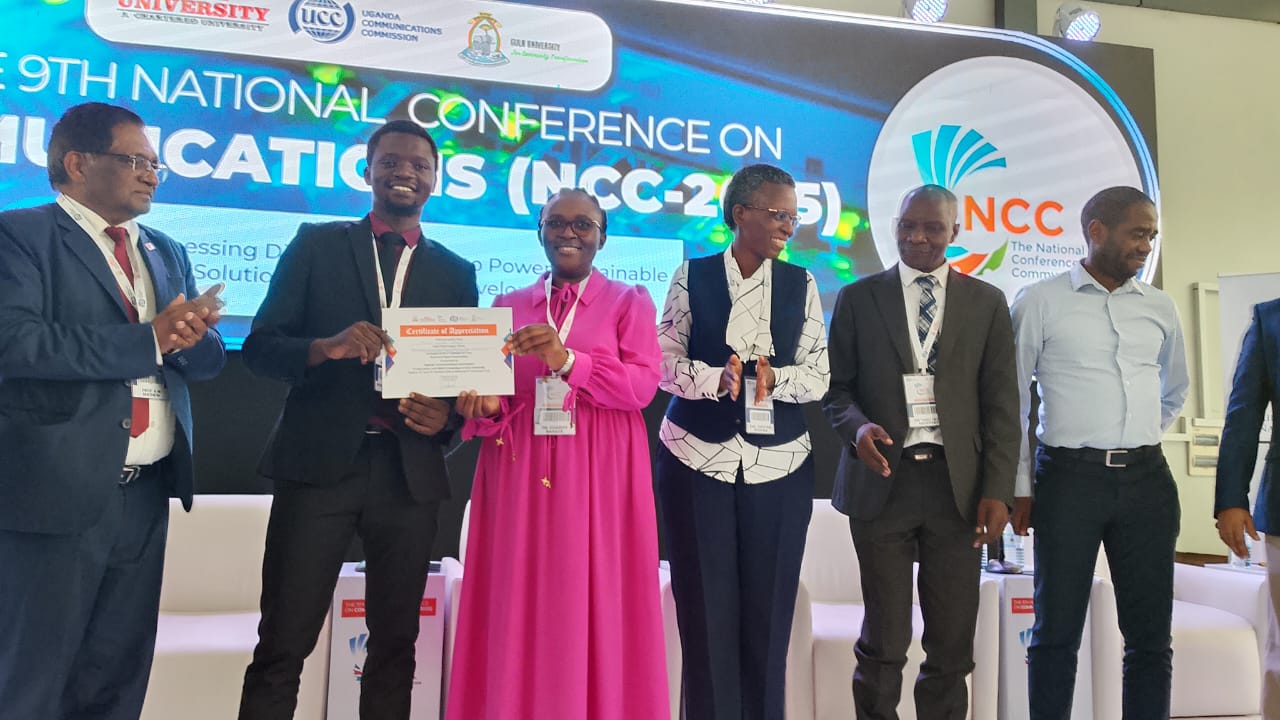
Award Winners ( Arthur Tumwesigye, Samuel ,Alex and Rodgers Mutegeki)

The conference closed with recognition of outstanding contributions in ICT research and innovation:
🏆 Best Researcher Paper: Arthur Tumwesigye -A machine learning based optimal deployment approach for UAV – Makerere University
🏆 2nd Runner up Research Paper: /Putshu Lunghe Samuel/ ISBAT University
2nd Runner up-Alex Namulinda-ISBAT University
🏆 Third Best Research Paper: Enhancing Uganda’s Academic Research/Rodgers Mutegeki-RENU
Organizers praised the winners as proof that Uganda’s homegrown solutions can address pressing challenges in health, agriculture, and governance.
The Bigger Picture
If NCC 2024 was about celebrating local innovators, NCC 2025 will be remembered as the year regulation took center stage. The challenge now is ensuring that policy keeps pace with innovation — not the other way around.
Uganda’s digital economy is growing. Whether it flourishes or falters may depend on how the country answers the questions raised at Nakawa this week.