Uganda Faces Road Funding Gap of Shs 2.47 Trillion as National Networks Decay
Kampala, Uganda – Uganda is confronting a substantial road infrastructure crisis, with many roads in need of urgent maintenance and full rehabilitation amid a massive funding shortfall.
Key Figures
The government has identified Shs 3.15 trillion needed for road projects in the 2025/26 financial year, but has allocated only Shs 682 billion.
There are arrears of approximately Shs 1.07 trillion owed from previous years to contractors.
Land acquisition and compensation costs alone are estimated at Shs 443 billion, which is delaying site access for many projects.
Many roads are deteriorating rapidly. Over 1,993 kilometres of national roads need urgent maintenance; 260 km require full rehabilitation.
Without intervention, cost of full rehabilitation per kilometre could be three times higher than routine maintenance.
Government Position
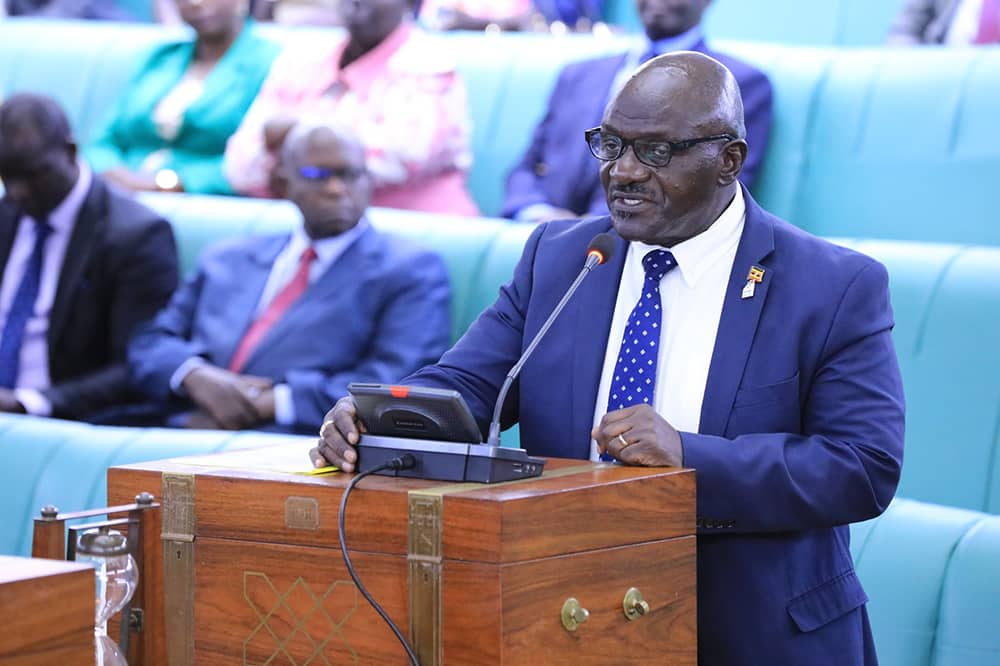
Minister of Works and Transport has acknowledged the shortfall and warned of growing economic losses if roads continue to degrade.
The government has pledged to increase spending, but faces competing priorities in budget: health, education, debt service etc.
Impacts on People & Economy
Poor roads mean higher vehicle maintenance costs, longer travel times, increased risk of accidents especially in rainy seasons.
Rural and remote areas risk being isolated during rains, worsening access to markets, health services, schools.
Businesses suffer supply chain slowdowns, increased transport costs.
Possible Solutions
Prioritize maintenance over new projects where possible (since maintenance is cheaper per km).
Improve efficiency in land acquisition; faster compensation.
Mobilize alternate financing (public-private partnerships, donor funding) to fill the gap.
Increase accountability and transparency in contracts to reduce cost overruns.
Uganda stands at a critical inflection point. The roads that stitch the country together are in disrepair, yet budget allocations fall far short. The longer delays persist, the steeper the cost will become—both economically and in human terms. The coming months may determine whether Uganda can arrest this decline or watch parts of its infrastructure slide beyond repair.