MPs Query Shs717Bn Agriculture Loan Over ‘Bloated’ Consultancy and Vehicle Costs
Parliament has called on the Ministry of Agriculture to renegotiate a US$204.8 million (approximately UGX 717.195 billion) loan intended to boost cattle production after concerns arose over excessive allocations to consultants, training, and vehicles.
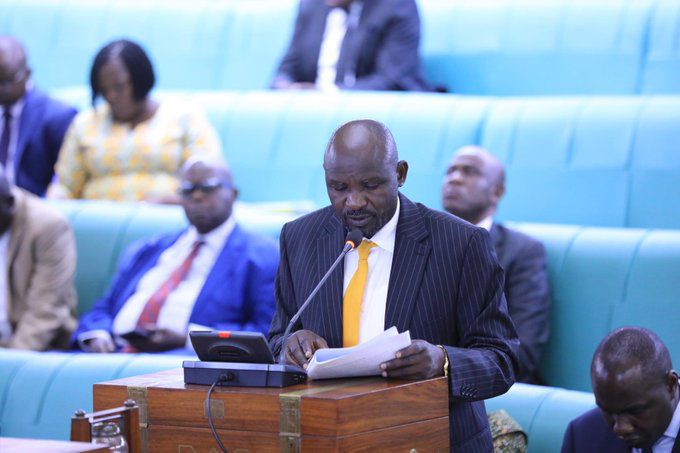
The recommendation came from John Bosco Ikojo, Chairperson of Parliament’s National Economy Committee, while presenting a report on the government’s proposal to borrow US$99.56 million from the International Fund for Agricultural Development (IFAD) to fund the Resilient Livestock Value Chain (RELIV) Project during yesterday’s plenary sitting.
“The Committee observed that the project cost is US$204.8 million (UGX 717.195Bn), however the cost breakdown and outputs described under the project loan were not costed to facilitate oversight of the unit cost of the various outputs that will be financed under the project,” Ikojo said.
He noted that “part of the IFAD Loan proceeds will be used to acquire Vehicles US$2.796 Million (UGX 9,791,657,700), Consultancies US$4.464 Million (UGX 15,648,445,000), Training and Workshops US$4.111Million (UGX 14,402,657,000). In addition, the loan should be renegotiated to move resources from consumptive items to acquisition of goods services and inputs, as well as equipment and materials.”
Ikojo also expressed disappointment over the lack of detailed documentation from the Ministry of Agriculture, saying:
“Whereas officials from the Ministry of Agriculture were requested to share details of the costed outputs under the project components to facilitate oversight of the unit costs, none of these requested documents had been availed by the time the aforementioned report was authored and tabled.”
Highlighting concerns about excessive spending on consumptive items, Ikojo cited the planned vehicle acquisitions:
“A case in point is the project plans to acquire fifteen Vehicles which translates to a unit cost of a Vehicle at US$186.4 Thousand, equivalent to UGX 671Million.”
He urged the ministry to take action even after the IFAD financing is approved:
“The Committee recommends that given the constraint where Government needs to sign the loan by 12th September 2025, and the opportunity cost of Government of signing the loan in time is high, the MAAIF finds time to discuss the costed outputs of the project even after the IFAD financing is considered.”
The committee’s call comes as Parliament seeks to ensure that the majority of loan resources are directed toward practical outputs and long-term development rather than high-cost consumptive items.